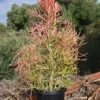
Monkey Tail Cactus For Sale
The Monkey Tail Cactus (Cleistocactus colademononis) is an extraordinary trailing cactus recognized by its long, flexible stems covered in dense white hair-like spines. As the stems mature and lengthen, they naturally hang downward, creating the soft, flowing appearance behind the plant’s memorable common name.
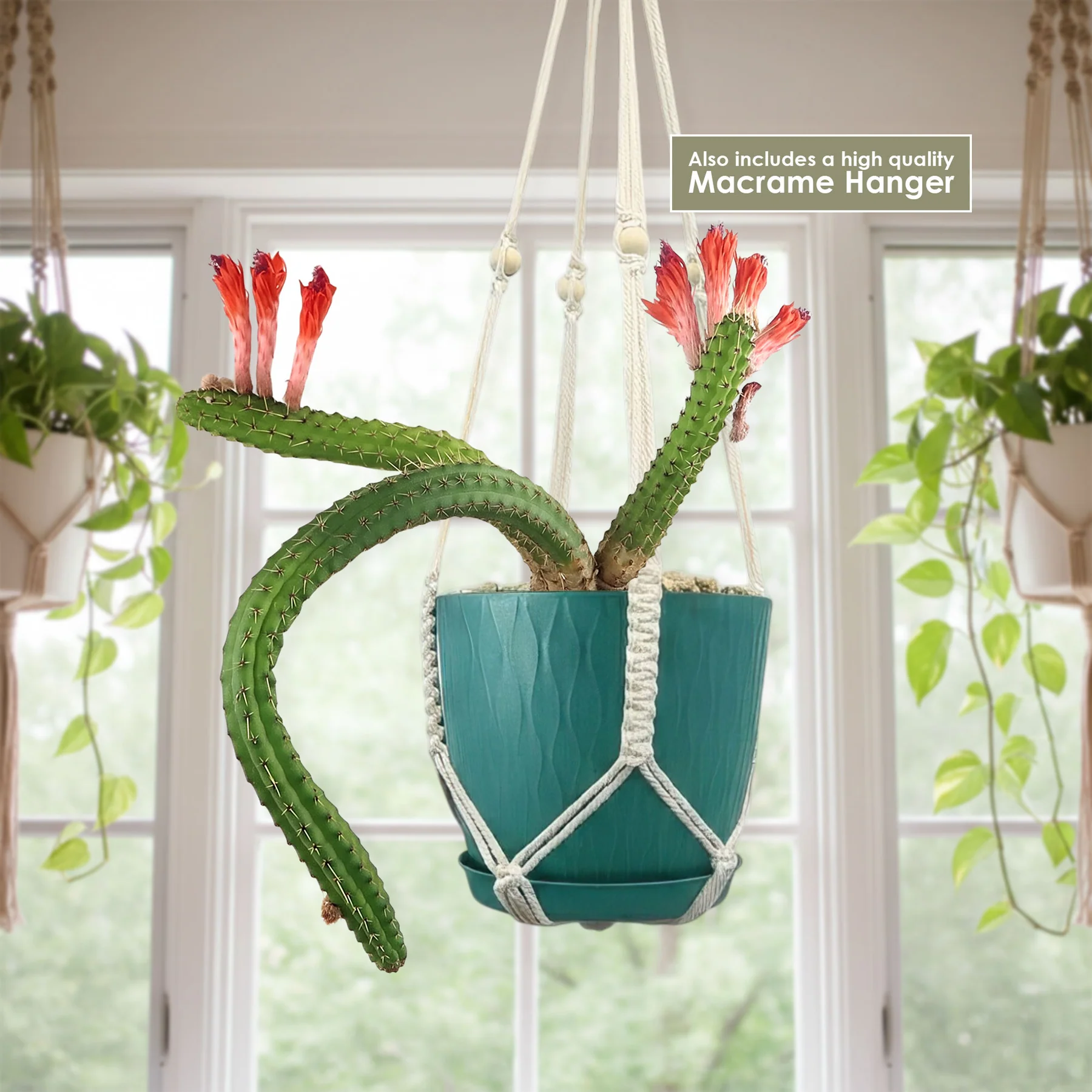
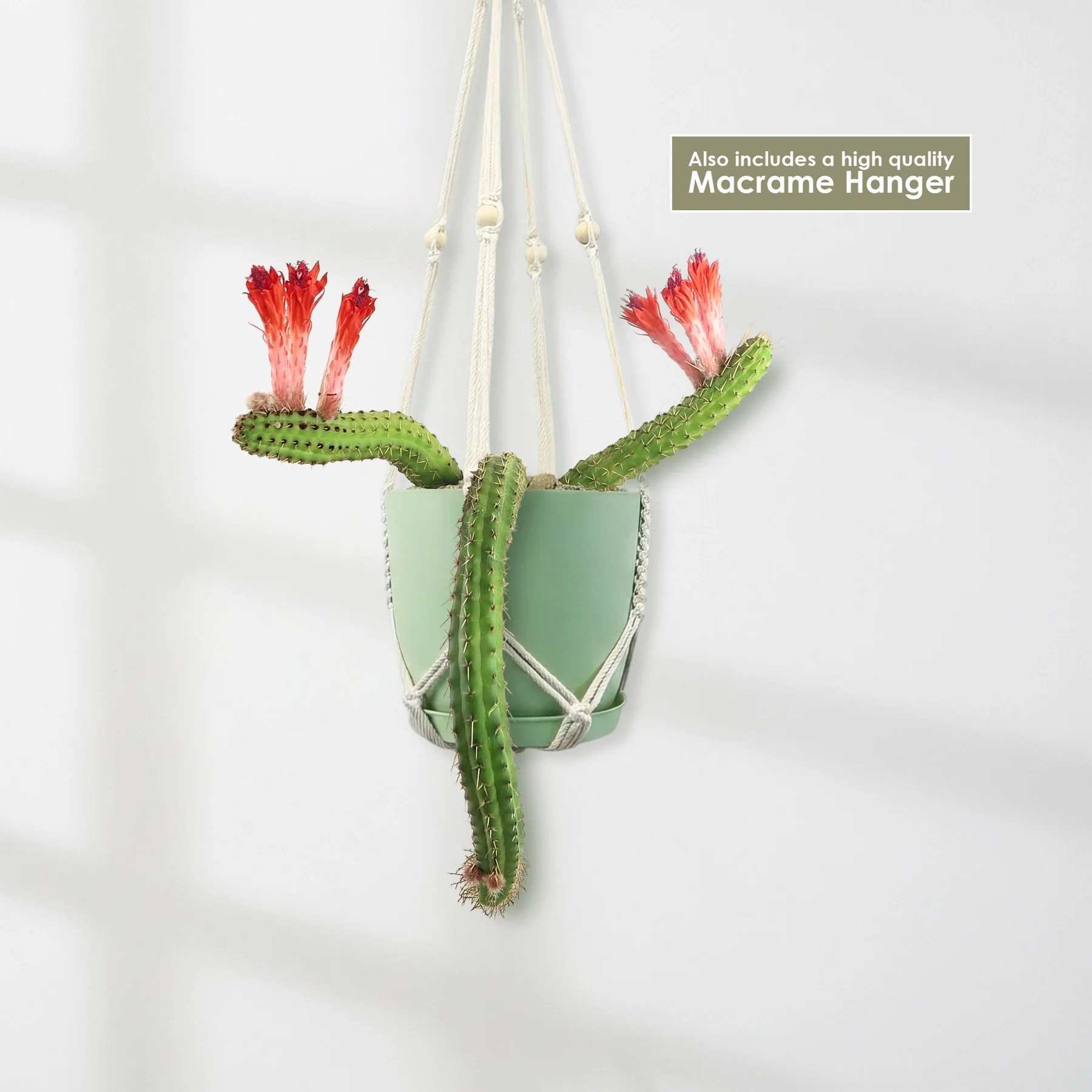
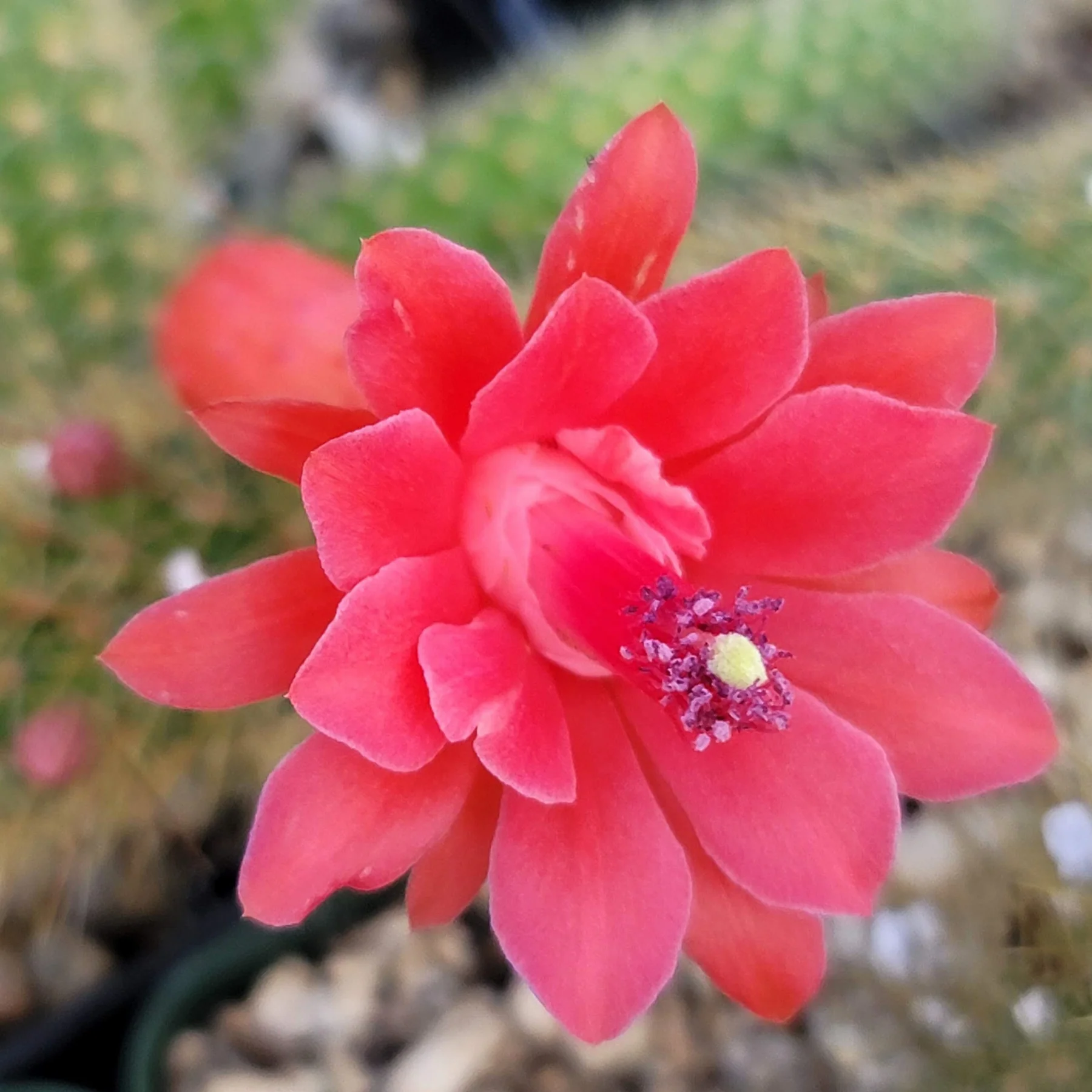
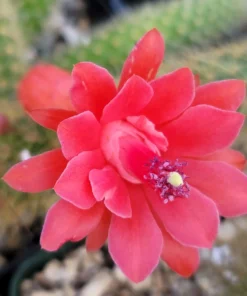
Native to Bolivia, this cactus becomes increasingly dramatic with age and is particularly well suited to hanging containers, elevated pots, and cactus collections where its trailing growth can develop freely. Mature plants can also produce vivid red flowers that stand out against the silvery-white stems.
Choose a Monkey Tail Cactus for sale for its unusual texture, cascading growth, and unmistakable character.
Cleistocactus colademononis — The Monkey Tail Cactus
The currently accepted botanical name is Cleistocactus colademononis, a member of the cactus family, Cactaceae.
The species has previously been classified under other botanical names, and Hildewintera colademononis is still encountered in horticultural references and plant listings.
That does not necessarily indicate a different plant.
Modern taxonomic treatments, including Kew’s Plants of the World Online, accept Cleistocactus colademononis while recognizing Hildewintera colademononis and several other combinations as synonyms.
For buyers comparing plants from different sources, understanding that naming history can prevent unnecessary confusion.
What Makes Monkey Tail Cactus So Different?
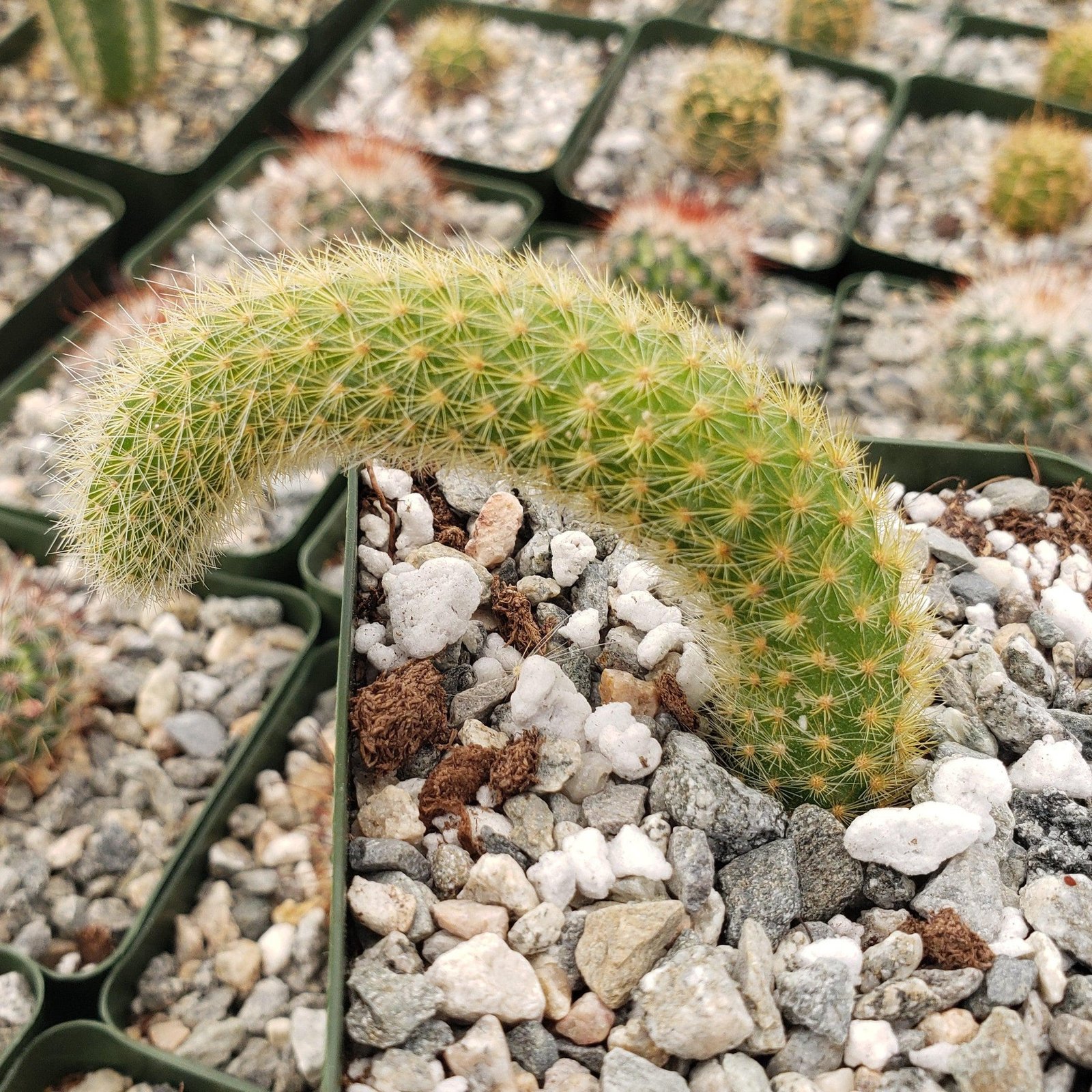
Its stems are the defining feature.
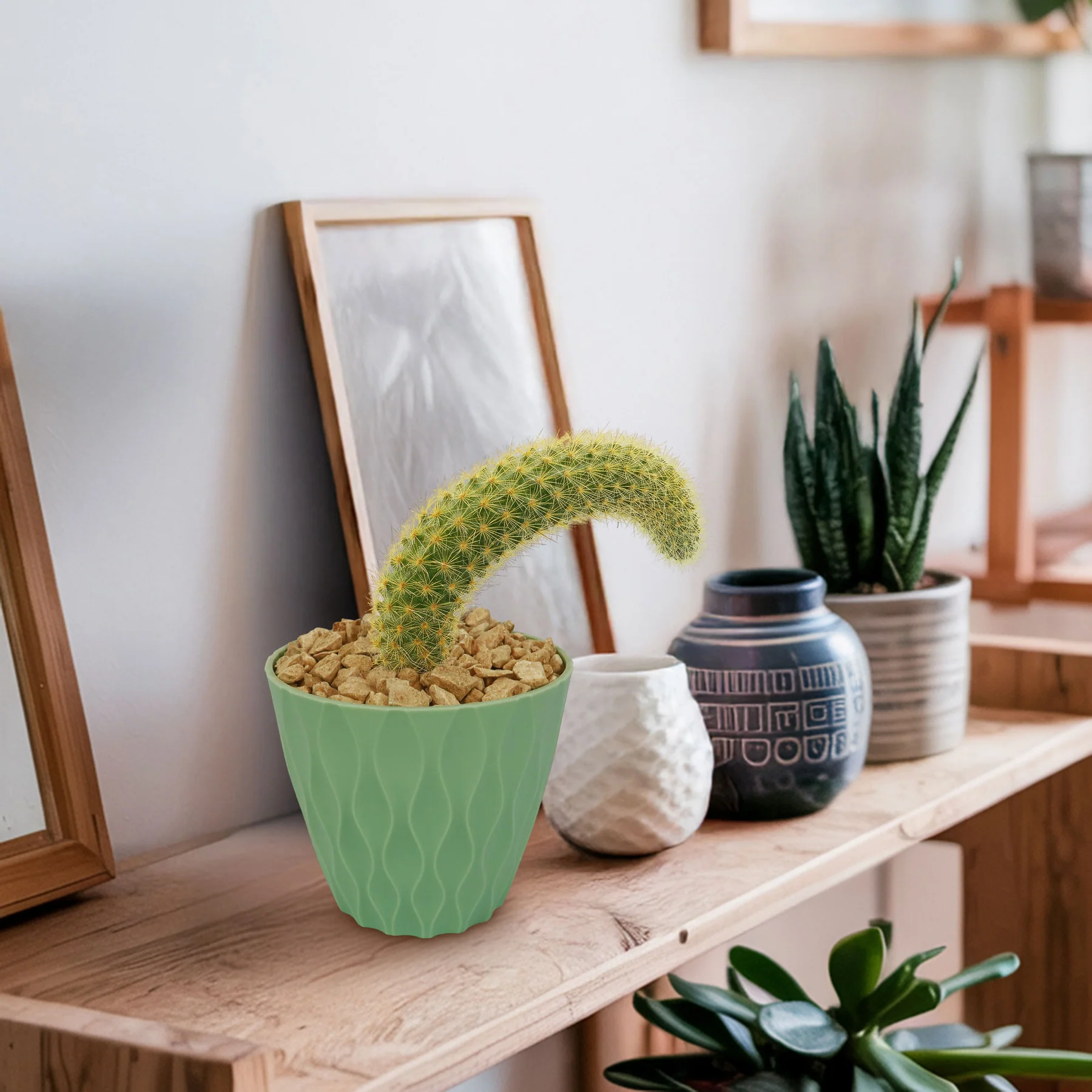
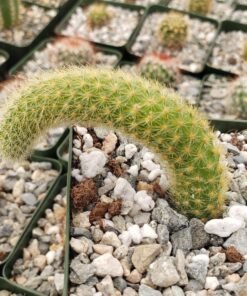
Young growth initially develops more upright, but as the cylindrical stems lengthen, their weight encourages them to arch and eventually trail downward.
The surface is densely covered with fine white spines that create the characteristic furry appearance.
Underneath that covering is a genuine cactus stem—not a soft or fuzzy tail.
This combination of long trailing growth and dense white spination gives Monkey Tail Cactus an appearance unlike most upright columnar cacti.
As additional stems develop from the base, established plants can become increasingly full, creating multiple hanging “tails” rather than a single stem.
How to Recognize a Monkey Tail Cactus
A genuine Monkey Tail Cactus develops several recognizable characteristics:
- long, cylindrical cactus stems;
- dense white hair-like spines;
- stems that become increasingly trailing with length;
- multiple stems on established specimens;
- red flowers on sufficiently mature growth.
Young plants may not yet display the dramatic hanging form seen in photographs of established specimens.
A smaller Monkey Tail Cactus can initially appear comparatively upright because its stems have not developed enough length and weight to cascade fully.
That is normal.
The characteristic trailing form becomes increasingly apparent as the plant matures.
Monkey Tail Cactus vs. Rat Tail Cactus
These common names are sometimes confused because both describe cacti with trailing stems.
They should not be treated as interchangeable.
Monkey Tail Cactus (Cleistocactus colademononis) is recognized particularly for its dense covering of long, white hair-like spines, which gives the stems a soft, silvery appearance.
Plants commonly sold as Rat Tail Cactus belong to different taxa and generally have a noticeably different surface texture and spine presentation.
For a buyer specifically seeking the white, furry trailing appearance associated with Monkey Tail Cactus, botanical identification is considerably more reliable than purchasing according to a generic “tail cactus” label.
Why Monkey Tail Cactus Excels in Hanging Containers
Monkey Tail Cactus becomes more impressive when its stems have room to descend naturally.
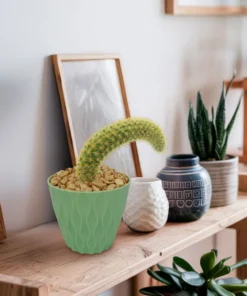
A hanging basket or elevated container allows new growth to extend over the edge rather than becoming crowded against a flat surface.
This presentation highlights the plant’s strongest ornamental characteristic: its cascading architecture.
A young specimen may begin with relatively short stems, but established plants can develop multiple elongated branches, creating an increasingly dense display.
For indoor cactus collections, greenhouse displays, patios in suitable climates, or bright protected growing spaces, an elevated position can showcase the plant far better than placing a mature specimen at ground level.
The container itself should remain stable and provide excellent drainage as the plant gains size and weight.
Choosing a Monkey Tail Cactus
When comparing plants, consider the stage of development rather than looking only at overall height.
Stem Length
Shorter stems generally indicate a younger or more compact specimen.
Longer stems provide more immediate trailing character, while younger plants give the grower an opportunity to develop that form over time.
Number of Stems
A plant with several established stems can appear fuller immediately.
Younger specimens may develop additional basal growth as they mature, so a simpler plant is not necessarily inferior—it represents a different growth stage.
Spine Coverage
Healthy Monkey Tail Cactus is known for dense white spination, but appearance can vary with age and growing conditions.
Growing Space
Think vertically.
The important dimension for an established Monkey Tail Cactus is not only pot width but also the open space beneath the container where stems can eventually hang.
Product Specifications
Exact stem length, number of stems, container size, rooted status, propagation method, current flowering status, and whether photographs represent the individual plant are inventory-specific characteristics.
These details should be confirmed from the particular product option rather than inferred from general species information.
Flowers Against Silvery-White Stems
The flowers add another dimension to an already unusual cactus.
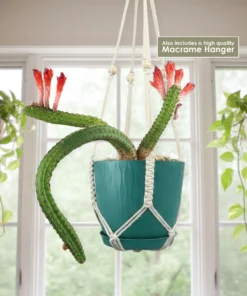
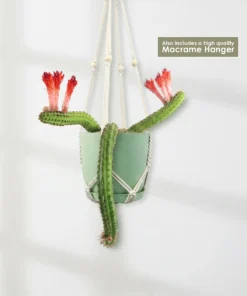
Mature Cleistocactus colademononis can produce prominent red flowers along developed stems. Against the dense white spines, the color contrast can be striking.
Flowering depends on plant maturity and growing conditions.
A young specimen should therefore be selected primarily for its growth form rather than purchased with the expectation that it will immediately flower.
Likewise, current bloom status should never be assumed unless specifically stated for the plant being sold.
The Monkey Tail Cactus remains highly ornamental even outside its flowering period because the stems themselves provide its most recognizable visual characteristic.
How to Grow Monkey Tail Cactus
Light
Monkey Tail Cactus performs best with abundant light.
Strong light helps support compact, healthy stem development and can contribute to flowering in mature plants.
A plant that has been grown under protected conditions should be acclimated gradually before receiving substantially stronger direct sunlight.
This is especially important for recently purchased plants whose previous light exposure is unknown.
Soil & Drainage
Fast drainage is essential.
Use a porous cactus growing medium that allows excess water to leave the root zone efficiently.
Hanging containers should have functional drainage openings, since their elevated position does not compensate for a poorly draining substrate.
Avoid keeping the roots continuously saturated.
Watering
Water according to actual growing conditions rather than a rigid calendar.
Temperature, season, light, container size, plant size, airflow, and growing medium all affect how quickly moisture is used.
During active growth, provide appropriate moisture and then allow the substrate to dry sufficiently before watering again.
Reduce unnecessary moisture when growth slows and environmental conditions become cooler.
The objective is not permanent dryness—it is avoiding prolonged saturation around the root system.
Indoor Growing & Outdoor Placement
Monkey Tail Cactus can make an impressive container specimen wherever adequate light is available.
Indoors, one of the brightest suitable positions is generally preferable. A greenhouse, sunroom, or bright window can also provide the vertical space needed for developing stems.
Outdoor cultivation can work well during suitable warm conditions, particularly where the plant receives strong light and protection from prolonged excessive moisture.
Cold conditions require more caution.
Because this species originates from Bolivia and is not a broadly cold-hardy North American cactus, growers in regions with freezing winters should plan for appropriate seasonal protection rather than assuming permanent outdoor hardiness.
Container cultivation makes that considerably easier.
Handling the Hair-Like Spines
Monkey Tail Cactus may look soft, but it should still be handled as a spiny cactus.
The white covering consists of numerous fine spines rather than harmless hairs.
Avoid gripping stems with bare hands simply because the plant appears furry.
When repotting or repositioning the cactus, use appropriate protective gloves or handling techniques that minimize pressure on both the spines and stems.
Careful handling also helps preserve the attractive white covering that gives the species much of its ornamental appeal.
Natural Variation Between Plants
Each Monkey Tail Cactus develops individually.
Living specimens can vary naturally in:
- stem length;
- number of stems;
- branching;
- stem thickness;
- density and appearance of white spines;
- growth direction;
- minor cosmetic markings;
- current flowering stage.
Young plants may also appear substantially different from established cascading specimens.
Exact dimensions, container size, number of stems, rooting status, propagation method, and photo representation should therefore be confirmed from the specific product listing.
A Cactus Designed to Cascade
Monkey Tail Cactus becomes more impressive as it gains something most upright cacti do not need: length.
Each developing stem contributes to a hanging structure that can eventually transform a relatively compact plant into a dramatic cascading specimen.
Its silvery-white spines provide year-round texture. Its elongated stems create movement and form. Mature plants add brilliant red flowers to that already unusual combination.
For growers looking beyond conventional globular and upright cacti, Cleistocactus colademononis offers a completely different way to display a cactus.
Give it light, drainage, and room to trail—and allow its natural architecture to become the centerpiece.
Choose a Monkey Tail Cactus for a hanging collection, elevated planter, or any growing space where its remarkable trailing form can be fully appreciated.
Frequently Asked Questions About Monkey Tail Cactus
What is the scientific name of Monkey Tail Cactus?
The currently accepted botanical name is Cleistocactus colademononis. Hildewintera colademononis is an older synonym that is still commonly encountered in horticulture.
Where is Monkey Tail Cactus native?
Cleistocactus colademononis is native to Bolivia, with Kew recording its native range in Santa Cruz.
Why is it called Monkey Tail Cactus?
The name refers to its elongated trailing stems and dense covering of white hair-like spines, which together create a tail-like appearance.
Does Monkey Tail Cactus grow upright or hang down?
Young stems can initially grow more upright, but they become increasingly arching and trailing as they lengthen. This makes mature plants particularly suitable for hanging or elevated containers.
Is Monkey Tail Cactus the same as Rat Tail Cactus?
No. The names refer to different cacti. Monkey Tail Cactus is especially recognizable by the dense white hair-like spines covering its trailing stems.
Can Monkey Tail Cactus grow indoors?
Yes, provided it receives abundant light and is grown in a well-draining medium. Its eventual trailing habit also means the growing location should provide adequate vertical space.
Does Monkey Tail Cactus flower?
Mature plants can produce red flowers. Flowering depends on maturity and growing conditions, so young plants should not automatically be expected to arrive in bloom.
Is Monkey Tail Cactus soft to touch?
No. Its furry appearance comes from fine white spines. It should still be handled carefully as a spiny cactus.
| Size | 4" Pot, 6" Pot |
|---|
Be the first to review “Monkey Tail Cactus”
Related products
Cactus for sale
Boobie Cactus -Myrtillocactus geometrizans fukurokuryuzinboku
Cactus for sale
San Pedro Pachanoi (Trichocereus) In Pot Large 25 CM – 40 CM
Cactus for sale
Cactus for sale
SAN PEDRO DRIED SKIN / 30GR AT 2KG / – (TRICHOCEREUS PACHANOI CACTUS) HUACHUMA WACHUMA ECHINOPSIS
Cactus for sale
Cactus for sale
Cactus for sale
Cactus for sale
Reviews
There are no reviews yet.