Peruvian Torch Cactus for Sale
Explore Peruvian Torch cactus selected for striking columnar growth, glaucous blue-green coloration, pronounced spination, and distinctive collector character. Widely known in horticulture as Trichocereus peruvianus and Echinopsis peruviana, Peruvian Torch is one of the most visually impressive Andean columnar cacti.
Browse available rooted plants, cuttings, seedlings, clones, hybrids, and individual specimens. Compare each cactus by size, rooting status, genetics, provenance, stem form, coloration, and spination to find the right specimen for your collection.
Bolivian Torch Cactus
Huachuma Cactus
Peruvian Torch Cactus
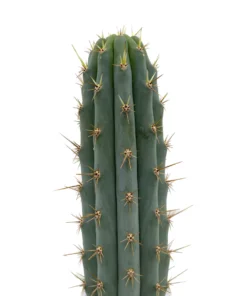
Peruvian Torch Cactus
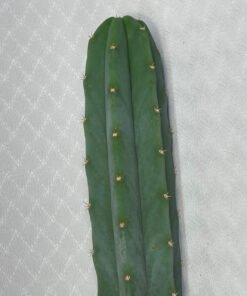
Bolivian Torch Cactus
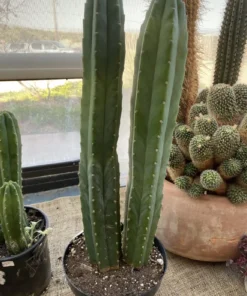
Bolivian Torch Cactus
San Pedro Cactus For Sale- Trichocereus Pachanoi – 30″ & 24″
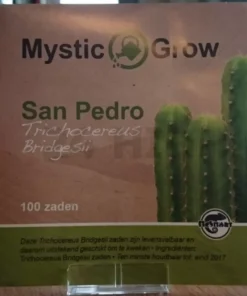
Bolivian Torch Cactus
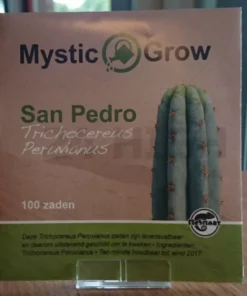
Cactus for sale
Why Peruvian Torch Stands Out
Peruvian Torch combines the substantial growth of a large columnar cactus with characteristics that can make individual specimens remarkably distinctive.
Stems range from green and gray-green to heavily glaucous blue-green. Defined ribs create a strong vertical profile, while the areoles of many specimens support conspicuous honey, golden, brown, or darker spines.
Different genetic lines can express considerable variation in stem thickness, rib structure, spine length, spine color, glaucous coating, and overall growth habit.
That diversity is a major part of its collector appeal.
Some growers seek intensely blue specimens. Others prefer pronounced spination, broad columns, documented genetics, or selected clones and hybrids.
The right Peruvian Torch therefore depends on the characteristics you actually want to grow.
What Is Peruvian Torch Cactus?
Peruvian Torch is an Andean columnar cactus native to Peru and historically associated with the name Trichocereus peruvianus.
Growers also commonly encounter the name Echinopsis peruviana. Modern botanical treatments of this group vary, while traditional Trichocereus terminology remains deeply established among nurseries and cactus collectors.
For buyers, the practical point is more important than the taxonomic debate.
Do not assume that different scientific labels automatically represent completely different horticultural plants. Instead, evaluate the botanical identification, genetics, provenance, and characteristics provided with the individual specimen.
This becomes particularly important with named clones, hybrids, seed lines, and locality-associated material.
Recognizing Peruvian Torch
A mature Peruvian Torch develops into a substantial upright cactus with strong architectural presence. Common characteristics include:- Upright columnar growth
- Green to strongly glaucous blue-green stems
- Well-defined vertical ribs
- Regularly spaced areoles
- Noticeable spine clusters
- Honey, tan, brown, or darker spine coloration
- Substantial stem diameter on mature specimens
- Large flowers on sufficiently mature plants
Choosing the Right Peruvian Torch
Height alone is a poor way to choose a specimen. A better decision considers how established you want the cactus to be, which physical characteristics appeal to you, and whether documented genetics matter to your collection.Rooted Plants — Best for an Established Start
Choose a rooted Peruvian Torch when you want a specimen with an established root system and prefer to skip the initial rooting stage. Compare stem diameter, height, condition, active growth, coloration, and spination. A shorter cactus with a thick, established column can represent a very different plant from a taller but younger specimen.Cuttings — Best for Growers Who Want to Establish Their Own Plant
Choose a cutting when you are comfortable establishing columnar cactus material yourself. The critical distinction is whether the cutting is rooted or unrooted. An unrooted cutting still needs to develop a functional root system. A rooted cutting has already progressed through that stage. The individual product listing should make this distinction clear.Seedlings — Best for Genetic Individuality
Choose seedlings when you want to watch individual characteristics emerge as the plants mature. Every seed-grown specimen represents its own genetic individual. Differences can gradually appear in column thickness, rib profile, areole spacing, spine length, spine color, glaucous development, and overall growth. Seedlings require patience, but they provide a level of individuality that vegetatively propagated clones cannot.Named Clones and Genetics — Best for Focused Collections
Choose documented clones, crosses, or seed lines when particular genetics are important to your collection. Here, provenance matters. If a plant's value depends on a specific clone identity, parentage, or locality-associated line, the accompanying information should support that description. An impressive name without meaningful provenance adds little.Blue Peruvian Torch and Glaucous Coloration
The blue appearance of certain Peruvian Torch specimens is one of the characteristics most strongly associated with desirable collector material. A glaucous surface can give the stem a blue-green, gray-blue, or powdery appearance. Not every specimen expresses this trait equally. Genetics play an important role, while growing environment, plant age, and surface condition can influence how strongly the coloration presents itself. For buyers specifically interested in blue Peruvian Torch, photographs of the actual specimen provide considerably more information than the common name alone. Color should also be considered together with stem structure, spination, genetics, and overall condition.Spination and Individual Character
Peruvian Torch spination can range from relatively restrained to long, rigid, and visually dominant. Spines may appear yellow, honey, tan, reddish-brown, brown, or darker depending on the specimen and maturity. When spination is important to your selection, look at more than length. Consider:- Number of spines per areole
- Spine thickness
- Orientation
- Color
- Areole spacing
- Relationship between the spines and rib structure
Peruvian Torch vs. San Pedro
Peruvian Torch and San Pedro are closely associated in cactus horticulture, but typical specimens often develop noticeably different character.| Characteristic | Peruvian Torch | San Pedro |
|---|---|---|
| Common horticultural name | Trichocereus peruvianus | Trichocereus pachanoi |
| Growth | Upright columnar | Upright columnar |
| Color | Frequently blue-green to strongly glaucous | Green to blue-green |
| Spination | Often more prominent | Frequently shorter or less visually dominant |
| Typical visual character | Glaucous, strongly spined and variable | Broad, architectural and often cleaner-stemmed |
| Collector interest | Color, spines, genetics, seed lines and hybrids | Clones, cultivars, hybrids and classic forms |
Peruvian Torch vs. Bolivian Torch
The similar common names can create confusion, but Peruvian Torch and Bolivian Torch are not interchangeable. Bolivian Torch is associated with Echinopsis lageniformis / Trichocereus bridgesii, while Peruvian Torch circulates horticulturally under Trichocereus peruvianus / Echinopsis peruviana and related taxonomic treatments. Both can develop blue-green columnar stems and pronounced spines, but their growth expression, rib structure, spine arrangement, genetics, and geographic origins differ. For collectors, the distinction should come from properly identified plant material rather than the word “Torch” in the common name.Clones, Seed-Grown Plants and Hybrids
These terms describe fundamentally different kinds of plant material. A clone is maintained through vegetative propagation. Cuttings taken from a correctly identified clone preserve the genetic identity of the original plant. A seed-grown plant is genetically individual. Even when its parent is a famous named clone, the offspring is not genetically identical to that parent. A hybrid combines genetics from different parents and can express characteristics from both lineages. Hybrids can produce unusual combinations of stem color, spine development, rib structure, column thickness, and growth habit. Accurate labeling preserves this information as plants mature and are propagated.How to Select a Peruvian Torch Specimen
For a serious collection, concentrate on characteristics you can actually evaluate rather than promotional labels such as “ultra rare” or “premium genetics.”Botanical Identity and Genetics
Understand whether you are looking at a species-level plant, seed-grown line, named clone, or hybrid. For collector genetics, reliable provenance adds meaningful context.Stem Structure
Examine column thickness, rib definition, areole spacing, growing tip, and overall proportions. A strong stem profile can contribute substantially to the mature appearance of the cactus.Coloration
If blue coloration matters to you, evaluate the actual specimen whenever possible. Glaucous expression varies, even among related plants.Spination
Consider length, density, orientation, thickness, and color rather than simply looking for the longest spines.Provenance
For named clones, hybrids, and locality-associated material, accurate documentation is more valuable than unsupported rarity claims. The best choice is the specimen whose identity, condition, appearance, and provenance match what you actually want to grow.Growing Peruvian Torch Cactus
Peruvian Torch performs well in cultivation when provided with strong light, effective drainage, appropriate watering, and enough room for continued columnar growth.Light
Provide abundant light for strong, well-proportioned development. Plants previously grown under lower light should be acclimated gradually before receiving intense direct sunlight. The same principle applies after shipping.Soil and Drainage
Use a porous, fast-draining cactus substrate. There is no universal mixture for every growing environment. Climate, temperature, container type, and cultivation style influence how quickly a substrate dries. The important principle is avoiding prolonged saturation around the root system.Watering
During active growth, water thoroughly and allow the substrate to dry appropriately before watering again. Avoid rigid watering calendars. Temperature, airflow, container size, substrate, season, and plant size should determine how frequently water is needed.Mature Size and Seasonal Conditions
Peruvian Torch can develop into a substantial cactus. Plan for increasing root space, container stability, and vertical growth as the plant matures. When temperatures fall and active growth slows, moisture requirements generally decrease. Growers in climates with freezing winters should provide appropriate seasonal protection.After Your Peruvian Torch Arrives
Shipping temporarily removes a cactus from its normal growing environment. After unpacking, inspect the specimen and allow it to transition gradually into its new conditions. Avoid moving a cactus directly from several days inside a dark shipping box into extremely intense sunlight. The appropriate next step also depends on what you purchased. A rooted plant, recently rooted cutting, unrooted cutting, and young seedling are at different stages of establishment and should not automatically be handled identically. Use the individual product information as the final reference for rooting status and specimen-specific details.What to Check Before Buying Peruvian Torch Online
A strong product listing should reduce uncertainty rather than rely on impressive terminology. Before selecting a cactus, check:- Identity: How is the plant botanically or horticulturally identified?
- Genetics: Seed-grown, clone, hybrid, or documented line?
- Plant format: Rooted plant, cutting, or seedling?
- Root status: If it is a cutting, has it actually rooted?
- Dimensions: What exactly has been measured?
- Stem characteristics: What are the coloration, diameter, ribs, and spination like?
- Photography: Are you viewing the exact specimen or a representative example?
- Parentage: Is claimed hybrid parentage documented?
- Provenance: Are clone or locality claims supported?
- Included material: What exactly will arrive?