
Bolivian Torch Cactus for Sale
Explore our selection of Bolivian Torch cactus, a distinctive South American columnar cactus recognized for its blue-green stems, prominent spines, and striking upright growth.
Widely known among growers as Trichocereus bridgesii, this Bolivian species is an excellent addition to collections centered on unusual forms, strong architectural growth, and naturally variable specimens.
Browse the available Bolivian Torch cacti below to compare sizes, forms, and individual characteristics and choose the right plant for your collection or growing plans.
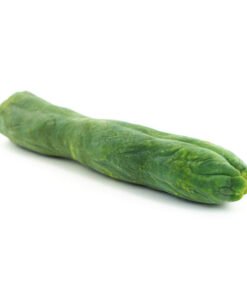
Bolivian Torch Cactus
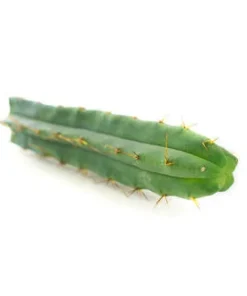
Bolivian Torch Cactus
Bolivian Torch Cactus
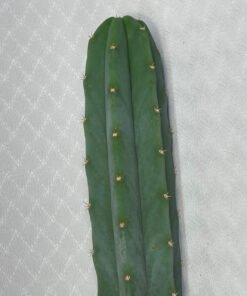
Bolivian Torch Cactus
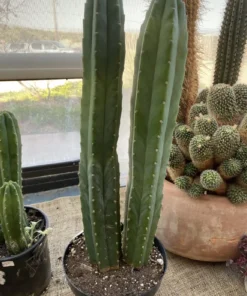
Bolivian Torch Cactus
San Pedro Cactus For Sale- Trichocereus Pachanoi – 30″ & 24″
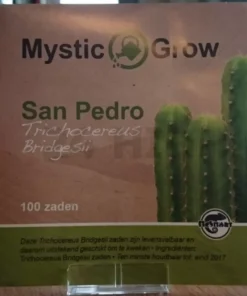
Bolivian Torch Cactus
What Is a Bolivian Torch Cactus?
Bolivian Torch is a columnar cactus native to Bolivia and a member of the Cactaceae family. Its accepted botanical name under current Kew taxonomy is Echinopsis lageniformis, while Trichocereus bridgesii is treated as a synonym.
For cactus buyers, however, both names matter.
Trichocereus bridgesii remains deeply established in horticulture and is frequently used by nurseries, collectors, growers, and in cultivar names. As a result, plants labeled “Bridgesii,” “Bolivian Torch,” or Echinopsis lageniformis may all refer to the same botanical species.
The plant typically develops upright, ribbed columns with green to glaucous blue-green stems and noticeable spination. Compared with some related columnar cacti, its combination of relatively slender growth and prominent spines gives many specimens a particularly distinctive appearance.
Individual plants can vary considerably. Spine development, stem color, rib structure, thickness, and overall growth expression may differ according to genetics, age, and growing conditions.
For collectors, this natural variation is part of what makes Bolivian Torch interesting.
Why Grow Bolivian Torch?
Bolivian Torch offers a combination of architectural growth and individual character that makes it easy to distinguish within a varied cactus collection.Striking Columnar Growth
Its upright stems create strong vertical structure as the cactus matures. This makes established plants particularly appealing to growers who enjoy large, architectural cactus species.Prominent Spination
Spines are among the most recognizable characteristics of many Bolivian Torch specimens. Length, density, and coloration can vary, creating noticeable differences between individual plants.Blue-Green Stem Color
Plants may develop green, gray-green, or attractive glaucous blue-green stems. Color intensity varies between specimens and can also change according to environmental conditions.Natural Collector Variation
Seed-grown plants can develop their own combinations of stem proportions, ribs, coloration, and spination. Instead of expecting every specimen to look identical, collectors can choose plants based on the characteristics they find most appealing.Choosing the Right Bolivian Torch Cactus
The best Bolivian Torch to buy depends on more than size. Consider the plant's growth stage, rooting status, available growing space, and how involved you want to be in establishing it.Rooted Bolivian Torch Plants
A rooted plant already has an established root system and can be a practical choice for growers who want to skip the initial rooting stage. When comparing rooted plants, check the individual listing for dimensions, current growth stage, container information, and whether the photograph represents the exact plant or the general product.Bolivian Torch Cuttings
Cuttings provide experienced growers with an opportunity to establish a new cactus from mature stem material. Unlike rooted plants, unrooted cuttings require an establishment period before normal root-supported growth can continue. Always verify the rooting status in the individual product description rather than assuming a cutting has already developed roots.Seedlings and Young Plants
Young Bolivian Torch plants offer the opportunity to watch individual characteristics emerge as the cactus matures. They require more time to develop the substantial columns associated with mature specimens, but seed-grown plants can be particularly interesting for collectors because genetic variation may produce noticeable differences in spination, proportions, coloration, and growth.Collector and Unusual Forms
Bolivian Torch also occurs in horticulture as selected clones and unusual growth forms. When these are available, evaluate the specific listing carefully because their appearance and growth habit may differ substantially from standard columnar Echinopsis lageniformis. Whatever format you choose, the individual product page should be your final reference for the exact size, form, rooting status, and specimen details.How to Recognize Bolivian Torch
Several South American columnar cacti can appear similar at first glance, so identification should be based on a combination of characteristics rather than one feature. Bolivian Torch generally develops upright stems divided into defined ribs, with regularly spaced areoles supporting its characteristic spines. Many specimens display green to blue-green coloration, while strongly spined examples can develop a particularly dramatic appearance as they mature. Typical characteristics include:- Upright columnar growth
- Ribbed stems
- Green to glaucous blue-green coloration
- Clearly visible areoles
- Frequently prominent spination
- Relatively slender stem proportions in many specimens
Bolivian Torch vs. San Pedro Cactus
Bolivian Torch and San Pedro are related South American columnar cacti, but the names refer to different botanical taxa. Bolivian Torch is associated with Echinopsis lageniformis / Trichocereus bridgesii, while San Pedro is commonly associated with Echinopsis pachanoi / Trichocereus pachanoi. Understanding their typical differences can make choosing between them easier.| Characteristic | Bolivian Torch | San Pedro |
|---|---|---|
| Common horticultural name | Trichocereus bridgesii | Trichocereus pachanoi |
| Growth habit | Upright, columnar | Upright, columnar |
| Typical stem profile | Often comparatively slender | Often comparatively fuller |
| Spination | Frequently more prominent | Often less visually dominant |
| Stem color | Green to blue-green | Green to blue-green |
| Visual character | Strong spines and slender architectural growth | Broader columnar appearance on many specimens |
| Collector variation | Seedlings, clones and unusual forms | Seedlings, clones and numerous cultivars |
Standard, Monstrose and Collector Forms
Standard Bolivian Torch typically develops the recognizable ribbed columnar growth associated with the species, but horticulture has preserved several unusual forms and selected clones.
Monstrose growth occurs when normal development becomes irregular, producing stem shapes that can look dramatically different from standard columns.
These plants should be understood as unusual growth forms rather than the normal appearance of every Bolivian Torch.
Named clones require equally careful identification.
A genuine clone is maintained through vegetative propagation. A seedling produced from a named parent is genetically distinct and should not automatically be presented under the parent's clone name.
Accurate labeling is therefore particularly valuable when buying collector material.
Essential Bolivian Torch Care
Bolivian Torch can be rewarding to grow when its basic requirements are understood. The most important considerations are strong light, effective drainage, appropriate watering, and protection from unsuitable seasonal conditions.Light
Provide abundant light for healthy, compact growth. However, plants moving from lower-light conditions or arriving after shipping should be introduced gradually to intense direct sunlight. Sudden exposure can damage tissue that has not yet acclimated to stronger conditions.Soil and Drainage
Use a porous, fast-draining cactus medium and containers with effective drainage. The objective is to prevent the root zone from remaining saturated for extended periods. Heavy, poorly draining growing media make moisture management considerably more difficult.Watering
During active growth, water thoroughly and then allow the growing medium to dry substantially before watering again. Avoid watering according to a rigid calendar. Temperature, season, pot size, substrate, airflow, and the plant's growth stage all influence how quickly moisture is used. As temperatures fall and growth slows, watering requirements generally decrease.Temperature and Seasonal Care
Warm conditions support active growth. In areas that experience freezing winter weather, plan appropriate seasonal protection rather than assuming a container-grown cactus can remain exposed outdoors year-round. Cold and prolonged excess moisture are a particularly poor combination for many cacti.After Your Bolivian Torch Arrives
Shipping temporarily removes a cactus from its normal growing environment. After unpacking, inspect the plant and allow it to transition gradually into its new conditions. Avoid placing a newly unpacked cactus immediately into the most intense direct sunlight available, especially if it has spent several days boxed in darkness. Increase exposure progressively as the plant acclimates. The next steps also depend on what you purchased. A rooted plant and an unrooted cutting are at different stages of establishment and should not automatically receive identical treatment. Always follow the information supplied with the specific product.What to Check Before Buying Bolivian Torch Online
A useful product listing should help you understand what you are purchasing before the cactus arrives.
Pay particular attention to the plant type, measurements, rooting status, photographs, cultivar or clone information, natural variation, and what is included with the purchase.
If receiving a particular specimen matters to you, check whether the product listing states that the photographs show the exact cactus or are representative of the available plants.
Never assume that a cutting is rooted unless the product description specifically says so.
Measurements also deserve attention. Check how the cactus is measured and whether the stated dimensions refer to stem length, overall plant height, or another measurement.
Cacti are living plants rather than manufactured objects. Minor differences in stem color, spination, rib development, proportions, and superficial markings can occur naturally.
Clear product information should therefore matter more than exaggerated claims of a “perfect” specimen.
Explore Related Columnar Cacti
Building a diverse cactus collection means understanding how related species and forms differ rather than simply collecting different names.
Explore our San Pedro Cactus, Peruvian Torch Cactus, and other related columnar cactus collections to compare growth habits, spination, coloration, and available forms.
For more detailed cultivation information, visit our cactus care and propagation guides for guidance on acclimation, drainage, watering, rooting, and seasonal growing conditions.