Peyote Cactus For Sale
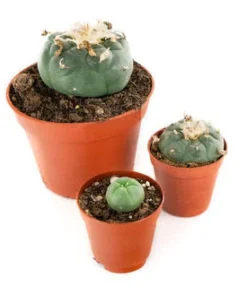
Peyote, botanically known as Lophophora williamsii, is a distinctive North American cactus recognized for its compact growth, blue-green to gray-green body, woolly areoles, and unusual spineless appearance. Unlike tall columnar species, it remains close to the ground and develops slowly, giving mature specimens a characteristic form valued in botanical and specialist cactus collections.
Explore available Lophophora williamsii specimens by carefully reviewing their size, propagation method, botanical identification, provenance, and individual characteristics. Because peyote is federally controlled in the United States, applicable federal, state, and local requirements should always be verified before purchasing, possessing, cultivating, or distributing this species.
Bolivian Torch Cactus
Bolivian Torch Cactus
Bolivian Torch Cactus
Mescaline Cactus
Mescaline Cactus
Huachuma Cactus
Peruvian Torch Cactus
Peruvian Torch Cactus
Mescaline Cactus
Mescaline Cactus
What Is Peyote Cactus?
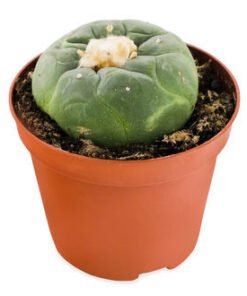
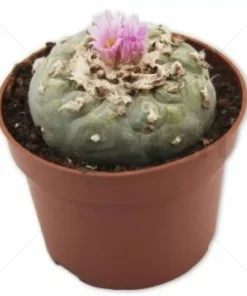
Lophophora williamsii is a small, slow-growing cactus belonging to the Cactaceae family. Its natural range extends from southwestern and southern Texas into northeastern Mexico and farther south within Mexico. Rather than developing tall stems, peyote generally forms a compact, rounded to somewhat flattened crown close to the soil surface. The visible body is supported by substantial underground root growth. Mature plants are particularly recognizable for their lack of conspicuous spines. Instead, the crown develops defined ribs or tuberculate sections with woolly areoles. Flowers can emerge around the central growing region of mature specimens. Its unusual growth habit makes L. williamsii fundamentally different in appearance from columnar cacti such as San Pedro, Bolivian Torch, and Peruvian Torch.Identifying Lophophora williamsii
Accurate identification is particularly important with peyote because Lophophora williamsii is not the only species within the genus Lophophora. Typical characteristics associated with L. williamsii include:- compact, low-growing form;
- rounded to somewhat flattened crown;
- green, gray-green, or blue-green coloration;
- defined ribs or tuberculate growth;
- woolly areoles;
- little to no conspicuous mature spination;
- flowers developing near the center of mature plants;
- substantial underground root development.
Peyote vs. Other Lophophora Species
The name “peyote” should not automatically be applied to every Lophophora. Lophophora diffusa, for example, is recognized as a separate species. Other accepted members of the genus include Lophophora fricii and Lophophora alberto-vojtechii. Although members of the genus share certain visual characteristics, they should not be treated as interchangeable botanical names. This makes reliable labeling particularly valuable when choosing a specimen for a botanical collection.Choosing a Peyote Cactus
When evaluating Lophophora williamsii, size alone tells only part of the story. Consider the specimen's botanical identification, propagation method, root status, age or growth stage where known, provenance, and whether the photographs represent the exact plant.Seed-Grown Peyote
Seed-grown specimens develop individually from seed and therefore exhibit natural genetic variation. As plants mature, differences may become visible in crown shape, rib development, coloration, wool production, flowering characteristics, and overall proportions. For collectors interested in natural variation, this individuality can be particularly valuable.Own-Root Plants
An own-root specimen remains supported by its naturally developed root system rather than another cactus used as rootstock. This distinction is meaningful with Lophophora because substantial root development occurs below the visible crown. When comparing plants, check whether the listing clearly identifies the specimen as own-root.Grafted Lophophora
Grafting joins a Lophophora specimen to another cactus used as rootstock. Grafted plants can develop differently from specimens maintained on their own roots. Grafting status should therefore be clearly documented rather than treated as an insignificant product detail. Neither “grafted” nor “own-root” describes a separate species. They describe how the plant has been cultivated.Why Provenance Matters
Good provenance adds meaningful information to a specialist cactus collection. Depending on the specimen, useful documentation may include botanical identification, propagation history, seed origin, legitimate locality information, and whether the plant is seed-grown, grafted, or maintained on its own roots. Be cautious with unsupported locality names, clone labels, or claims of unusual rarity. A label alone does not prove a plant's origin. For serious collections, accurate botanical information is more valuable than exaggerated claims designed simply to make a specimen sound rare.Natural Variation Between Specimens
Variation is normal within cultivated Lophophora williamsii. Individual specimens may differ in crown shape, coloration, rib expression, wool development, proportions, and growth rate. Genetics are an important source of these differences, while cultivation conditions can further influence appearance. Age matters as well. A young plant may not yet display the characteristics associated with a mature specimen. When evaluating available plants, use photographs and product-specific information to understand the individual specimen rather than expecting every L. williamsii to look identical.Essential Peyote Cactus Care
Lophophora williamsii is adapted to relatively dry conditions and requires careful moisture management. Good drainage, appropriate light, seasonal watering, and sufficient root space are central to successful cultivation.Light
Provide strong light, but acclimate plants gradually when moving them from filtered or lower-light conditions into substantially stronger direct sun. This is particularly important after shipping or a major change in growing environment.Soil and Drainage
Use a highly porous, free-draining cactus substrate that allows excess moisture to leave the root zone efficiently. A substantial mineral component is commonly used in Lophophora cultivation, but no single soil recipe is appropriate for every climate and growing environment. Effective container drainage remains essential.Watering
Avoid maintaining continuously wet soil. During suitable active-growing conditions, water according to the condition of the substrate and allow it to dry appropriately before watering again. Watering requirements decrease when temperatures fall and growth slows. Climate, airflow, container size, substrate composition, and whether the plant is grafted or own-root can all affect moisture requirements.Root Space
Do not select a container solely according to the diameter of the visible crown. Lophophora develops significant underground growth, so suitable depth and drainage should be considered when choosing a container.Slow Growth and Mature Specimens
Peyote develops differently from fast-growing columnar cacti. Its naturally compact and relatively slow growth means that mature form develops over time, particularly in seed-grown, own-root plants. Growth rate can vary considerably according to genetics, cultivation method, environmental conditions, and whether a plant is grafted. For this reason, diameter alone does not necessarily tell the complete story of a specimen's age, history, or horticultural value.Conservation and Responsible Collecting
Conservation is particularly important when discussing Lophophora williamsii. The species faces conservation pressures within parts of its natural range, making responsible propagation and sourcing important considerations for botanical collectors. Cultivated propagation provides a way to maintain plants in specialist collections without encouraging unnecessary pressure on wild populations. Collectors should be cautious about specimens claimed to have been removed from natural habitats or material whose origin cannot be responsibly explained. Responsible collecting also means maintaining accurate labels and preserving legitimate provenance information as plants move between collections.U.S. Legal Considerations
Peyote does not have the same regulatory status as ordinary ornamental cactus species in the United States. Peyote is federally listed as a Schedule I controlled substance. Specific legal exemptions exist in limited circumstances, while state and local rules may introduce additional requirements or restrictions. Those exemptions should not be interpreted as general authorization for unrestricted purchase, possession, cultivation, sale, or distribution. Before acquiring or handling Lophophora williamsii, verify the current federal, state, and local laws applicable to your particular circumstances.What to Check Before Choosing a Specimen
A specialist listing should provide enough information to understand what is actually being offered. Before selecting a specimen, check:- Botanical identification: Is it clearly identified as Lophophora williamsii?
- Propagation method: Is it seed-grown, vegetatively propagated, or otherwise documented?
- Root status: Is the specimen own-root or grafted?
- Measurements: How is its size being measured?
- Photography: Are you viewing the exact specimen or a representative example?
- Provenance: Are locality or origin claims properly documented?
- Plant condition: Does the listing clearly describe the specimen?
- Legal considerations: Is acquisition and possession permitted under the laws applicable to your circumstances?