
Huachuma Cactus For Sale
Explore Huachuma cactus, the distinctive Andean columnar cactus widely known as San Pedro and botanically associated with Echinopsis pachanoi. Recognized for its upright growth, broad ribs, green to blue-green stems, and relatively modest spination, Huachuma brings impressive vertical structure to ornamental and specialist cactus collections.
Compare available plants, cuttings, seedlings, and collector selections by size, form, rooting status, provenance, and individual characteristics to find the right specimen for your growing plans.
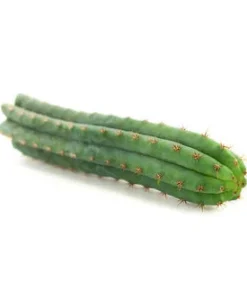
Huachuma Cactus
Cactus for sale
SAN PEDRO / 30GR AT 1KG / – (TRICHOCEREUS / ECHINOPSIS PACHANOI) HUACHUMA – CAPTUS POWDER
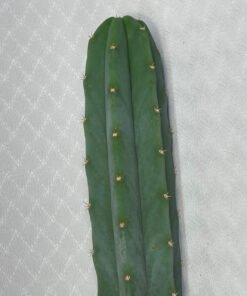
Bolivian Torch Cactus
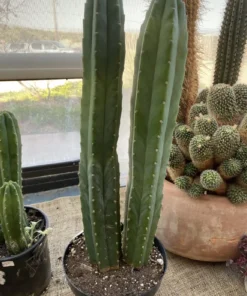
Bolivian Torch Cactus
San Pedro Cactus For Sale- Trichocereus Pachanoi – 30″ & 24″
Cactus for sale
SAN PEDRO DRIED SKIN / 30GR AT 2KG / – (TRICHOCEREUS PACHANOI CACTUS) HUACHUMA WACHUMA ECHINOPSIS
Cactus for sale
Cactus for sale
What Is Huachuma Cactus?
Huachuma is one of the traditional common names associated with the cactus widely known today as San Pedro.
The accepted botanical name is Echinopsis pachanoi, while Trichocereus pachanoi remains deeply established in horticulture and continues to appear frequently on nursery labels, collector lists, and cultivar descriptions.
This means that Huachuma, San Pedro, Echinopsis pachanoi, and Trichocereus pachanoi may all appear when researching the same cactus.
Understanding these names is particularly useful when comparing plants online because sellers and collectors do not always use the same taxonomic convention.
Huachuma develops very differently from compact desert cacti. It produces upright, cylindrical stems divided by broad ribs and can eventually develop into a substantial branching specimen under favorable growing conditions.
Its architectural growth makes it particularly suitable for collections centered on South American columnar cacti.
The Botanical Character of Huachuma
A well-grown Huachuma cactus can become a striking landscape or container specimen.
Stem coloration commonly ranges from green to glaucous blue-green, although appearance varies according to genetics, age, environmental conditions, and light exposure.
Broad vertical ribs define the columns, with regularly positioned areoles running along their edges. Spines are generally less visually dominant than those found on heavily armed columnar species, although individual plants can vary considerably.
Typical characteristics include:- upright columnar growth;
- green to blue-green stems;
- broad, rounded ribs;
- regularly spaced areoles;
- relatively short or limited spination on many specimens;
- basal branching as established plants mature;
- large flowers on sufficiently mature specimens.
Choosing the Right Huachuma Cactus
The best plant depends on what you want to grow and how much of the establishment process you want to handle yourself.
Rather than choosing solely according to height, consider rooting status, maturity, stem diameter, propagation method, provenance, and the characteristics of the individual specimen.
Rooted Huachuma Plants
Rooted plants already have an established root system and are a practical option for growers who want to avoid the initial rooting stage associated with an unrooted cutting.
When comparing rooted specimens, look beyond overall height.
Stem thickness, established growth, branching, root development, and the actual dimensions described by the seller can provide a more useful picture of the plant you are considering.
Huachuma Cuttings
Stem cuttings are a common horticultural method of propagating columnar cacti.
An unrooted cutting requires an establishment period before it develops a functioning root system and resumes normal root-supported growth.
Check each product description carefully to determine whether you are purchasing an unrooted cutting, rooted cutting, or established plant.
Do not assume that every section of cactus stem offered online has already developed roots.
Seedlings and Young Plants
Seedlings allow growers to observe the cactus developing from an early stage.
Because seed-grown plants are genetically individual, they can develop noticeable differences in stem color, rib structure, spination, thickness, and overall growth habit as they mature.
They require considerably more time to achieve the substantial columnar appearance of established specimens, but that development can be part of their appeal to collectors.
Named and Collector Selections
Huachuma horticulture includes named clones, selected forms, locality-associated material, and hybrids. When purchasing collector material, accurate labeling matters. A genuine clone is maintained through vegetative propagation. A seed-grown offspring from a named plant is genetically distinct from its parent and should not automatically inherit the parent's clone identity. For higher-value collector specimens, documented provenance is more meaningful than an unsupported name.Huachuma and San Pedro: Are They the Same Cactus?
In contemporary horticultural use, Huachuma and San Pedro commonly refer to Echinopsis pachanoi. The difference is primarily in the common name being used rather than the buyer necessarily looking at two separate botanical species. “San Pedro” became the internationally familiar commercial and horticultural name, while Huachuma — also written Wachuma in some contexts — reflects an older Andean name associated with the cactus. Botanically, buyers may also encounter two scientific-name conventions: Echinopsis pachanoi — the accepted name used by Kew's current taxonomic resources. Trichocereus pachanoi — the older botanical combination that remains extremely common in horticulture. For a buyer, understanding this naming relationship prevents the same cactus from appearing to be several unrelated products simply because different sellers use different terminology.Huachuma vs. Other South American Columnar Cacti
Huachuma belongs to a broader horticultural group of South American columnar cacti that can look superficially similar. Knowing their general differences makes shopping and identification easier.Huachuma vs. Bolivian Torch
Bolivian Torch is associated with Echinopsis lageniformis, widely known horticulturally as Trichocereus bridgesii. Both develop upright columns, but many Bolivian Torch specimens display more prominent spination and comparatively slender growth. Huachuma commonly develops broader-looking ribs and less visually dominant spines.Huachuma vs. Peruvian Torch
Plants sold as Peruvian Torch are generally associated with a different group of Andean columnar cacti and often display stronger spination and blue-green stem coloration. Because horticultural material can include hybrids and selected forms, identification should not rely on stem color alone.Hybrids
Hybridization adds another layer of variation. Plants produced from different parent lines can combine characteristics from both, meaning that rib structure, spine length, coloration, and growth habit may not fit neatly within the typical appearance of either parent. Accurate parentage information is therefore useful when purchasing hybrids.Understanding Natural Variation
One of the most interesting aspects of growing Huachuma from seed is that plants are not genetically identical. Two seedlings raised under the same conditions can eventually develop different stem proportions, rib profiles, coloration, areole spacing, and spination. Growing conditions create additional variation. Light intensity can influence stem development and coloration, while nutrition, available root space, temperature, water, and plant maturity can all affect visible growth. For that reason, photographs and product-specific descriptions are particularly useful when selecting an individual cactus. A living plant should not be expected to have the uniformity of a manufactured product.Growing Huachuma Cactus
Huachuma is well suited to cultivation when its basic requirements for light, drainage, water, and seasonal protection are understood.Light
Provide abundant light for strong columnar growth. Plants moving from sheltered conditions into intense direct sunlight should be acclimated gradually. This is especially important for recently shipped specimens that have spent time boxed without normal light exposure.Soil and Drainage
Use a porous, fast-draining cactus substrate and a container with effective drainage. The ideal substrate can vary according to climate and growing method, but prolonged saturation around the roots should be avoided.Watering
During active growth, water thoroughly and allow the growing medium to dry appropriately before watering again. Avoid using a fixed calendar regardless of conditions. Temperature, container size, substrate, airflow, plant size, and season all affect how quickly moisture is used. Water requirements generally decline substantially when temperatures fall and active growth slows.Space for Mature Growth
Huachuma can become a substantial cactus. When choosing a specimen, consider not only where the plant fits today but also the space that an established columnar cactus may require as it develops. Container size can be increased progressively as root development and plant size require it.Establishing a Newly Arrived Plant
Shipping temporarily changes a cactus's environment. After unpacking, inspect the plant and allow it to adjust before making abrupt changes in light or moisture. A cactus that has spent several days inside a dark shipping box should not necessarily be placed immediately into the strongest available direct sunlight. Gradual light acclimation reduces unnecessary stress. The appropriate next step also depends on what arrived. A rooted plant, recently rooted cutting, and unrooted stem cutting are at different stages of establishment. Product-specific instructions and the actual condition of the plant should guide how it is handled.What to Check Before Buying Huachuma Online
A strong cactus listing should make it reasonably clear what you will receive. Before choosing a plant, check:- Botanical identity: How is the plant identified?
- Plant format: Is it a rooted plant, cutting, seedling, or collector specimen?
- Rooting status: If it is a cutting, has it actually rooted?
- Measurements: Are dimensions clearly explained?
- Photographs: Do the images show the exact specimen or a representative plant?
- Provenance: Are clone, locality, or parentage claims supported?
- Natural variation: Does the listing explain when individual plants may differ?
- What's included: Is the cactus supplied bare-root, potted, or in another clearly stated form?