
Mescaline Cactus
Cactus for sale
Cactus for sale
SAN PEDRO / 30GR AT 1KG / – (TRICHOCEREUS / ECHINOPSIS PACHANOI) HUACHUMA – CAPTUS POWDER
Bolivian Torch Cactus
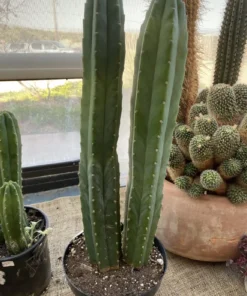
Bolivian Torch Cactus
San Pedro Cactus For Sale- Trichocereus Pachanoi – 30″ & 24″
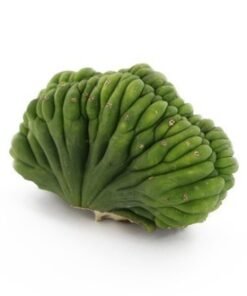
Cactus for sale
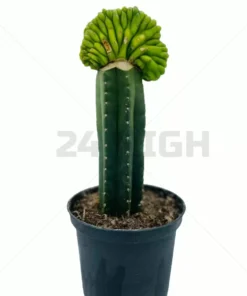
Cactus for sale
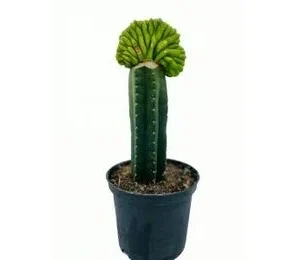
Mescaline Cactus
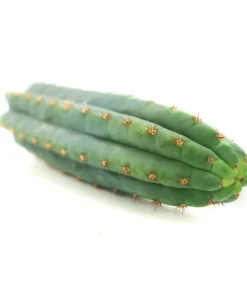
Cactus for sale
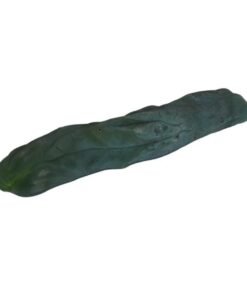
Cactus for sale
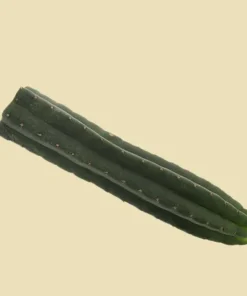
Cactus for sale
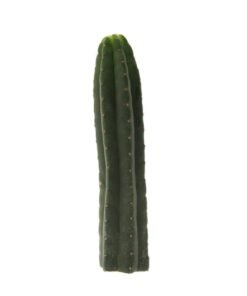
Cactus for sale
Discover the Diversity of Mescaline Cacti
The plants commonly grouped within Mescaline Cactus collections represent a remarkably diverse range of South American columnar cacti.
San Pedro can produce substantial green to blue-green columns with broad ribs and relatively restrained spination. Bolivian Torch frequently develops a leaner profile with much more pronounced spines. Peruvian Torch and related Andean forms introduce another spectrum of glaucous coloration, spine development, rib structure, and genetics.
Even within the same species, two plants may develop very differently.
That variation is important.
For a serious cactus collection, the value of a specimen is not simply the common name attached to it. Botanical identity, genetics, propagation history, provenance, growth form, and the characteristics of the individual plant provide a much better foundation for choosing what to grow.
San Pedro — The Classic Andean Columnar Cactus
San Pedro is botanically recognized as Echinopsis pachanoi and remains widely known among growers by its older horticultural name, Trichocereus pachanoi.
Huachuma is another traditional name associated with this cactus.
The species is characterized by strong vertical growth and broad, rounded ribs that give established columns a substantial architectural appearance. Many specimens carry relatively short or modest spines, although spine expression varies between individual plants.
Color can range from fresh green to attractive glaucous blue-green.
San Pedro becomes particularly interesting at the cultivar level.
Decades of cultivation have produced named clones, seed-grown lines, hybrids, and selected forms displaying differences in stem thickness, rib structure, spine development, coloration, and growth habit.
For collectors, this means E. pachanoi offers considerably more diversity than a single standard-looking “San Pedro.”
Bolivian Torch — Strong Spines and Distinctive Form
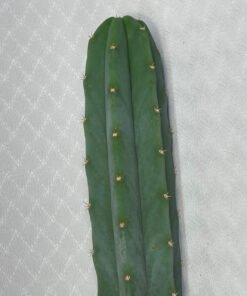
Bolivian Torch, Echinopsis lageniformis, is equally recognizable but expresses a noticeably different character.
Many plants develop relatively slender upright columns with prominent areoles and substantially longer spines than are commonly seen on San Pedro.
Stem coloration can range from green to heavily glaucous blue-green. Spine length, orientation, color, rib structure, and column thickness can vary significantly between genetics.
This combination of columnar growth and pronounced spination gives mature Bolivian Torch specimens a strong visual presence.
Growers may also encounter the species under the familiar horticultural name Trichocereus bridgesii.
Both names remain useful when researching plants because older clone labels and collector records frequently retain Trichocereus terminology.
Peruvian Torch — Color, Spination and Collector Variation
Peruvian Torch occupies another important position within collections of Andean columnar cacti.
Its appeal often comes from the interaction between stem coloration, pronounced ribs, spination, and mature columnar form. Certain cultivated specimens can develop particularly attractive glaucous surfaces, producing gray-green to striking blue-green columns.
However, “Peruvian Torch” should not be treated as a guarantee that every plant will display one predetermined appearance.
Cultivated material can be remarkably variable.
Seed provenance, genetics, hybridization, growing conditions, and maturity all influence what eventually develops.
This is where detailed product information becomes valuable. A serious collector should be able to evaluate the individual specimen or genetic line rather than purchasing solely on the strength of a common name.
Choosing Between San Pedro, Bolivian Torch and Peruvian Torch
There is no single ideal cactus for every collection. Each group offers a different visual and horticultural character.| San Pedro | Bolivian Torch | Peruvian Torch | |
|---|---|---|---|
| Growth | Strong, broad columns | Often leaner columnar growth | Strong columnar growth |
| Ribs | Frequently broad and rounded | Defined, variable profile | Often pronounced |
| Spination | Commonly modest on many forms | Frequently long and prominent | Variable to prominent |
| Color | Green to blue-green | Green to glaucous blue-green | Green to strongly glaucous blue-green |
| Best suited to | Classic architectural growth | Pronounced spine character | Color and specimen variation |
| Collector depth | Clones, hybrids, cultivars | Clones, seedlings, unusual forms | Genetics, hybrids and selected forms |
These differences describe common horticultural tendencies—not rigid identification rules.
A hybrid can combine traits from multiple parent lines, while seed-grown plants naturally express genetic variation. Mature characteristics can also differ from what is visible on a young plant.
For that reason, choose the specimen, not merely the name.
Rooted Plants, Cuttings or Seedlings?
How you want to establish the cactus should influence what you buy.Rooted Plants — For an Established Start
Choose a rooted cactus when you want a specimen that has already developed its own root system.
Rooted plants eliminate the initial rooting stage required by fresh cuttings and allow you to concentrate on acclimation and continued cultivation.
Look at more than height when comparing them. Stem diameter, existing root development, maturity, branching, and overall condition can be equally useful indicators of what you are purchasing.
Cuttings — For Propagation and Establishment
Columnar cactus cuttings are sections of established stem material intended for further cultivation. The crucial distinction is rooted versus unrooted. An unrooted cutting still needs to establish a functional root system. A rooted cutting has already progressed beyond that stage. The individual listing should state the condition clearly.Seedlings — For Genetic Individuality
Seedlings offer something vegetatively propagated clones cannot: a new genetic individual. As a seed-grown cactus develops, its own combination of ribs, spines, stem proportions, coloration, and growth characteristics gradually becomes apparent. For growers who enjoy observing a plant's characteristics emerge over time, seedlings can be some of the most interesting specimens in a collection.Clones, Cultivars and Hybrids: Know What You Are Buying
Collector terminology matters. A clone is maintained through vegetative propagation. A cutting taken from an accurately identified clone can preserve that genetic identity. A seedling is different. Even when seed comes from a famous named parent, the offspring represents a new genetic combination. It should not automatically inherit the clone name of either parent. A hybrid results from genetically different parents and may combine characteristics from both lineages. Hybrid plants can be particularly interesting because they may express unexpected combinations of stem color, rib structure, spination, column thickness, and growth habit. When a clone name, cross, or provenance is part of the reason you are purchasing a specimen, documentation matters more than marketing language.What Makes a Collector-Quality Specimen?
“Rare” and “premium” are easy words to place on a product page. They tell you very little by themselves. A more useful evaluation considers the plant itself.Genetics and Provenance
Named material becomes more meaningful when its identity can be traced. For hybrids, correctly recorded parentage provides context for the genetics being grown.Stem Structure
Look at column thickness, rib formation, areole spacing, and the overall symmetry or individual character of the plant.Spination
Spines can differ dramatically in length, thickness, orientation, density, and color. For heavily spined Echinopsis/Trichocereus, these differences can become defining visual characteristics.Glaucous Coloration
The waxy surface responsible for blue or blue-green appearance can give certain specimens exceptional visual character. Genetics matter, but environment also influences how coloration presents itself.Established Growth
A healthy growing tip, appropriate stem firmness, and balanced development provide more useful information than exaggerated claims about a plant's desirability.Natural Variation Is a Feature, Not a Defect
Specialist cactus collecting would be considerably less interesting if every plant looked identical. Seed-grown specimens can vary naturally in ribs, areoles, spine development, column diameter, coloration, and branching. Cultivation adds further variation. A plant grown under intense light may not look exactly like genetically similar material maintained under different light, temperature, water, nutrition, or growing-space conditions. Age also changes appearance. Juvenile growth is not always representative of the characteristics an established plant will display several years later. Product photography should therefore help you understand the specimen being offered while recognizing that a living cactus will continue to change.Growing Strong Columnar Cacti
Healthy growth depends more on getting a few fundamentals right than following an unnecessarily complicated routine.Give Them Excellent Light
Strong light supports compact, robust columnar development. Recently shipped plants and specimens previously grown under lower light should be acclimated gradually before exposure to intense direct sunlight.Prioritize Drainage
Use a porous cactus substrate that drains efficiently and provides adequate root-zone aeration. There is no universal soil formula for every climate. A grower in a hot, arid environment may require different moisture retention from someone cultivating plants in a cooler or more humid region. What matters is avoiding prolonged waterlogging.Water According to Conditions
During active growth, water thoroughly and then allow the substrate to dry appropriately. Do not turn watering into a fixed weekly ritual. Heat, airflow, container size, substrate, season, and plant size determine how quickly moisture is used. When growth slows under cooler conditions, water requirements generally fall with it.Plan for Mature Size
A small cutting can eventually become a substantial columnar cactus. Consider available vertical space, container progression, stability, and long-term placement before an established specimen becomes difficult to move.Buying Mescaline Cactus Online: What Actually Matters
A high-quality listing should reduce uncertainty. Before selecting a plant, look for clear answers to the following:- What is the botanical identity?
- Is it a species, clone, cultivar, or hybrid?
- Is the plant seed-grown or vegetatively propagated?
- Is it rooted or unrooted?
- What are its actual dimensions?
- Does the photograph show the exact specimen?
- Is hybrid parentage documented?
- Is provenance provided when a specific clone or locality is claimed?
- What exactly is included with the purchase?
- Are any destination or legal restrictions clearly explained?