
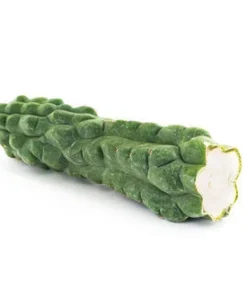
Cactus for sale
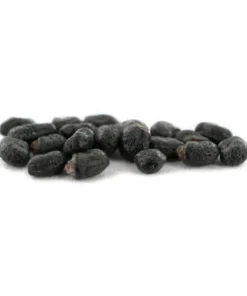
Cactus for sale
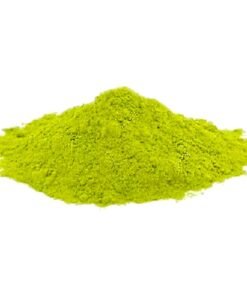
Cactus for sale
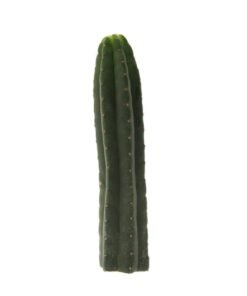
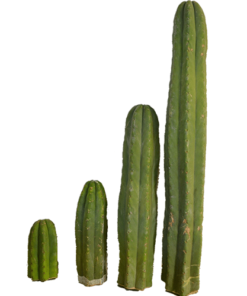
SAN PEDRO / 30GR AT 1KG / – (TRICHOCEREUS / ECHINOPSIS PACHANOI) HUACHUMA – CAPTUS POWDER
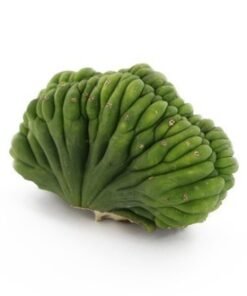
Cactus for sale
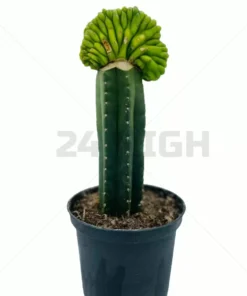
Cactus for sale
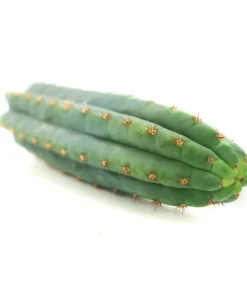
Cactus for sale
Cactus for sale
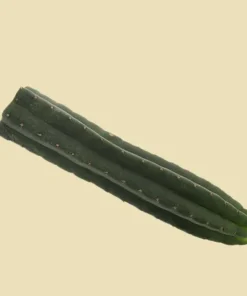
Cactus for sale
Cactus for sale
Cactus for sale
Cactus for sale
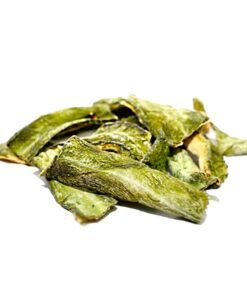
SAN PEDRO DRIED SKIN / 30GR AT 2KG / – (TRICHOCEREUS PACHANOI CACTUS) HUACHUMA WACHUMA ECHINOPSIS
Cactus for sale
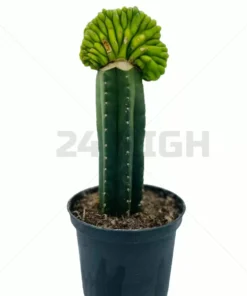
San Pedro Pachanoi (Trichocereus) In Pot Large 25 CM – 40 CM
Peruvian Torch
Peruvian Torch is a striking South American columnar cactus recognized for strong vertical growth, pronounced ribs, noticeable spination, and often blue-green coloration. Its combination of form and color gives it a distinctive architectural presence among other columnar cacti. Explore Peruvian Torch CactusBolivian Torch
Bolivian Torch (Echinopsis lageniformis, commonly known as Trichocereus bridgesii) typically develops slender upright columns with characteristic spination. Its proportions and growth characteristics give growers another distinctive option beyond classic San Pedro forms. Explore Bolivian Torch CactusTrichocereus Scopulicola
Known for broad stems, smooth-looking ribs, and typically reduced spination, Trichocereus scopulicola has a noticeably different profile from many other South American columnar cacti. Its clean growth form makes it particularly interesting for growers and collectors seeking visual variety. Explore Trichocereus ScopulicolaCollector & Specialty Cacti
Discover additional specimens with distinctive growth forms, individual characteristics, or collector appeal. Availability may change as different plants, sizes, and varieties become available, giving enthusiasts new specimens to discover over time. Explore Specialty CactiHow to Choose the Right Cactus
Choosing a cactus online becomes much easier when you look beyond the photograph. Consider the species or variety, size, growth form, rooting status, available growing space, and the type of growing experience you want.
If you want a plant that is already established below the soil line, a rooted specimen may be the more suitable starting point. If you prefer to propagate and establish the plant yourself, a cutting provides a different growing experience.
Appearance can also guide your decision. Compare characteristics such as stem thickness, rib structure, coloration, spination, and overall growth form. These characteristics can differ considerably between species and can also vary naturally between individual specimens of the same type.
Rooted Cactus vs. Cactus Cutting
Rooted cactus: A rooted cactus has already developed a root system and is further along in the establishment process. It can be a practical option for growers who prefer to begin with an established specimen. Cactus cutting: A cutting is an unrooted section of cactus intended for propagation. It requires appropriate conditions and sufficient time to develop its own root system. Neither format is automatically better. The right choice depends on whether you want an established plant or prefer beginning with propagation material and following the rooting process yourself.Know What You’re Buying
Before ordering, review the individual product information carefully. Important details can include the species or cultivar, approximate size, rooting status, product form, available variations, and specimen-specific information.
These details matter because two listings for the same general type of cactus may represent very different starting points. A rooted specimen, large cutting, young plant, or collector specimen can each offer a different growing experience.
Cacti are also living plants, so natural variation should be expected. Coloration, stem shape, ribs, spines, surface markings, and growth can vary between individual specimens and continue changing as the plant matures.
Where product photographs are representative rather than photographs of the exact plant being purchased, this should be clearly indicated on the individual product listing.
Browse Available Cactus PlantsGrowing & Caring for Your Cactus
Healthy cactus growth begins with an appropriate environment. While individual species and varieties can have different requirements, many of the columnar cacti in our collection benefit from ample light, excellent drainage, appropriate watering, and protection from prolonged wet or freezing conditions.Light
Columnar cacti generally benefit from bright growing conditions. However, a newly delivered plant should not necessarily be moved immediately into dramatically stronger direct sunlight. Gradual acclimation can help the cactus adjust when its previous growing environment was different.Soil & Drainage
Use a well-draining growing medium that allows excess moisture to escape readily. Containers should have adequate drainage holes, and the root zone should not remain continuously saturated. The appropriate growing medium can vary with climate and cultivation conditions, so drainage and moisture management are generally more useful considerations than relying on one universal soil recipe.Watering
A fixed watering calendar is rarely appropriate for every cactus. Temperature, season, container size, growing medium, humidity, and active growth all affect how quickly moisture is used.
Allow the growing medium to dry appropriately between waterings and adjust your routine as environmental conditions change. Cooler or slower-growing periods generally require different moisture management from warm periods of active growth.
Temperature & Growing Environment
Consider your local climate when deciding where to grow your cactus. Temperature extremes, prolonged cold, excessive moisture, and sudden environmental changes can influence plant performance. Container cultivation can provide additional flexibility where outdoor conditions vary significantly throughout the year.After Your Cactus Arrives
Shipping temporarily changes a plant's environment. Carefully unpack your cactus, inspect its condition, and allow it time to adjust before making major changes to light exposure, watering, or its growing environment. For more detailed information, explore our cactus care resources and the species-specific guidance provided throughout our collection.Cactus Shipping & Arrival
Ordering a living cactus online requires different handling from an ordinary package. Plants and cuttings need to be appropriately prepared and secured for transportation according to their size and form.
When your cactus arrives, carefully remove the packaging and inspect the specimen. Because these are living plants, minor cosmetic differences or temporary changes in appearance can occur during transportation. Natural marks or variation do not automatically indicate poor plant health.
Allow newly delivered plants time to acclimate before introducing major environmental changes. If planting or transplanting is required, follow the guidance appropriate for the particular specimen and its rooting status.
Before placing an order, review our Shipping & Delivery information for current processing details, available destinations, shipping rates, and applicable policies.